Solutions

What I help solve

Reccuring work-related problems and the pains they cause

I help clients ease the discomfort of work-related problems that keep showing up. They drain time and other resources, make work much harder than it needs to be, and undermine outcomes.

How I help

Skill-building. Skills coaching. Mentoring. Expert input.

I help my clients by:

  • teaching and coaching them to build the human skills AI cannot replace
  • mentoring and advising them to think more clearly, make sound decisions, and act with good judgement, in complex, high-pressure situations.

Whom I help

People across six distinct career stages

Recurring problems show up depending on where someone is in their career. I work with clients across six stages:

  1. Job-Ready Starter (including career changers)
  2. Early Career Builder
  3. Emerging Manager / Supervisor
  4. Estabilished Manager / Supervisor
  5. Enterprise Executive / Principal
  6. Governing Executive & Director.

What signals their problems

The questions clients keep asking

My clients' common questions reveal the problems they face and the pains those problems cause. Some questions:

  • are specific to career-stage, sector or industry
  • span all career stages with differing nuance
  • are universal.

Many of them will likely feel uncomfortably familar. Take comfort in knowing you're not alone and that help is available.

Question groupings

All career stages in all sectors and industries

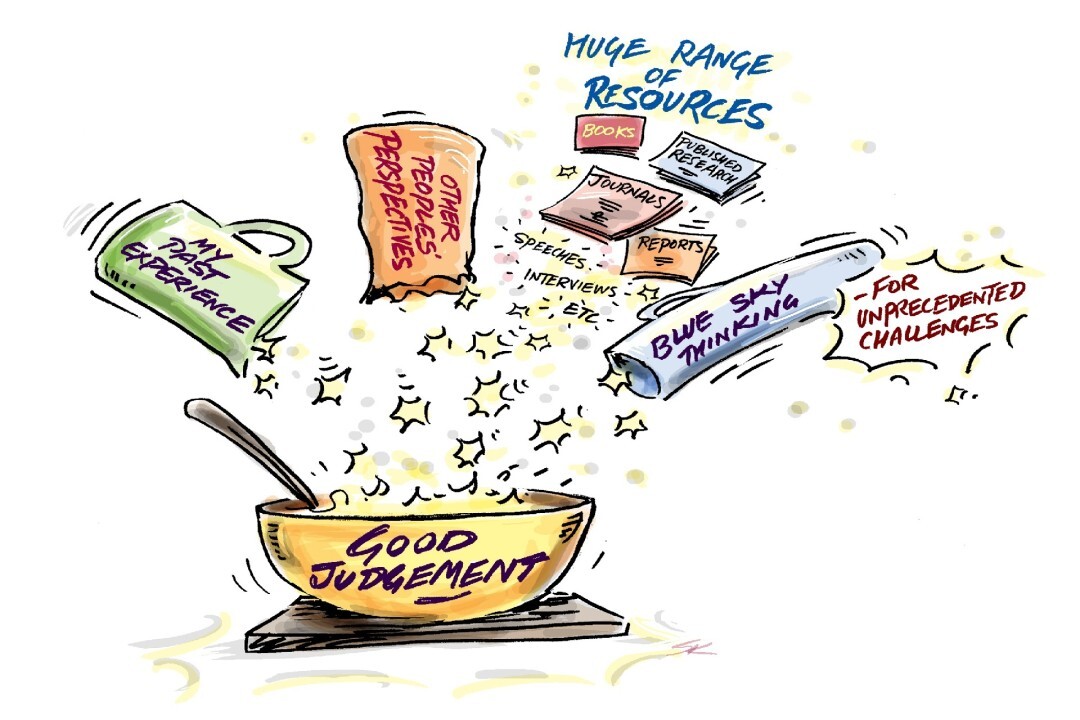
In the age of AI, how do I develop the judgment to identify substantive, well-founded output versus trend-driven or weakly supported?
  • How can I develop sound judgment about what will likely work best by applying disciplined scepticism and rigorous testing?
  • How do I avoid being seduced by convenient simplifications that promise effectiveness without sufficient substance?
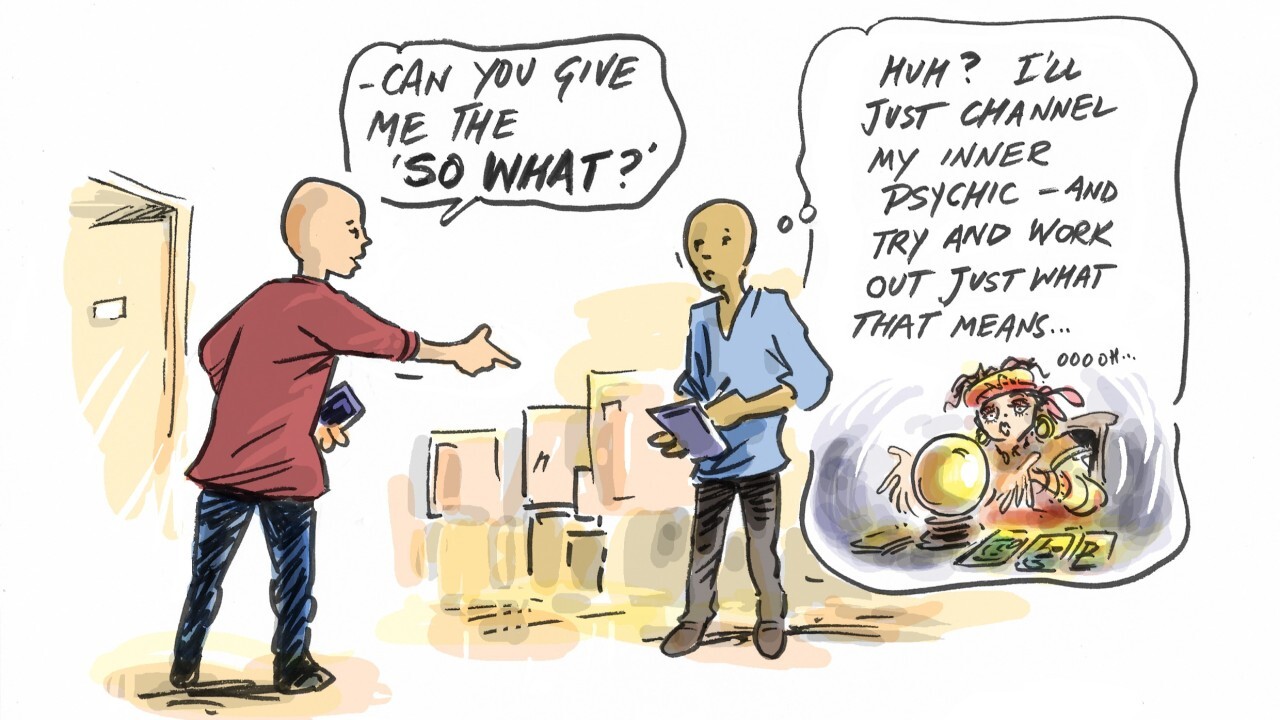
How do I know what, and how much, others need from me in each unique situation? How can I ensure others give me only what, and as much as, I need?
  • How can I discern what audiences perceive as necessary and relevant?
  • What processes can I follow to discern only what is necessary and relevant to audiences in each unique situation?
  • How can I respectfully initiate conversations to clarify what is necessary and relevant without losing face?
  • How can I respectfully ensure I receive from others what I need and believe is relevant, and avoid receiving the opposite?
  • How can I clearly articulate what someone in my role needs and doesn’t need from them?
How can I manage expectations and boundaries respectfully and assertively?
  • How can I build trust while managing expectations, pushing back, negotiating scope and timeframes, or asking for work to be redone?
  • How can I overcome my concerns about disappointing or upsetting others?
  • What are the implications for my trustworthiness, efficiency and success if I don’t manage expectations and boundaries?
How can have difficult conversations that maintain orenhance good relationships?
  • How can I more have uncomfortable conversations with greater confidence and without causing friction or harm?
  • What are the implications for trustworthiness, efficiency and success if I don’t have difficult conversations?
  • How can difficult conversations enable me to discern whom to trust?
How can I use storytelling or narratives discerningly at work?
  • When do stories or narratives help and when they hinder (a popular delusion is that they are the same thing and that always or usually help in workplace communications)?
  • How do I craft a story or narrative to help achieve my desired outcome and enhance trustworthiness?
How can I strategically build my network without feeling awkward or pushy?
  • Why should I invest energy and time in building a network?
  • How do networking and selling differ?
  • What strategic mindset will enable me to build a valuable network without feeling pushy or awkward (or worse!)?
  • How can I initiate networking conversations in every context, including online?
  • How can I discern the ideal mentors for me and initiate conversations with them?
  • How can I discern trustworthiness in others?
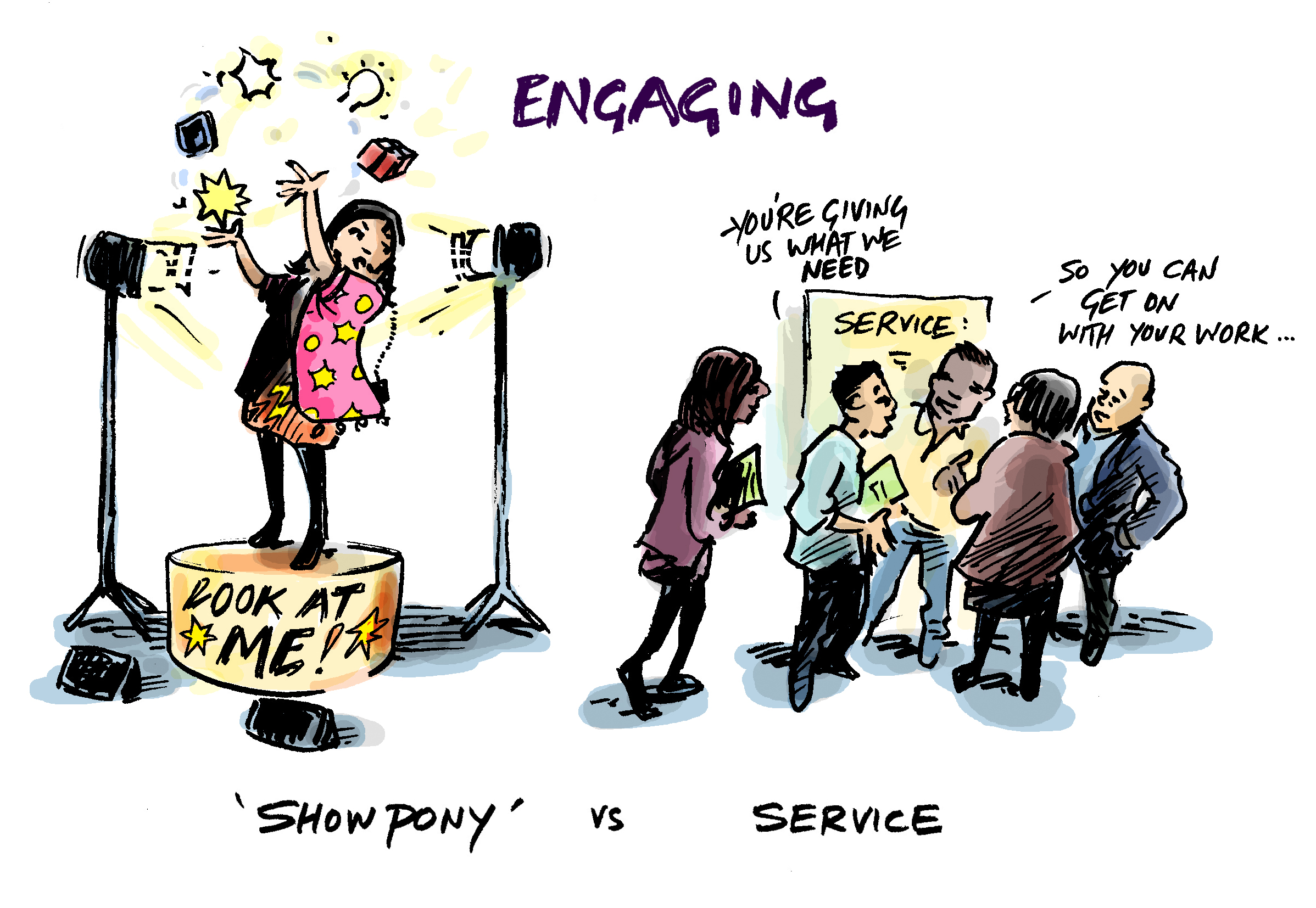
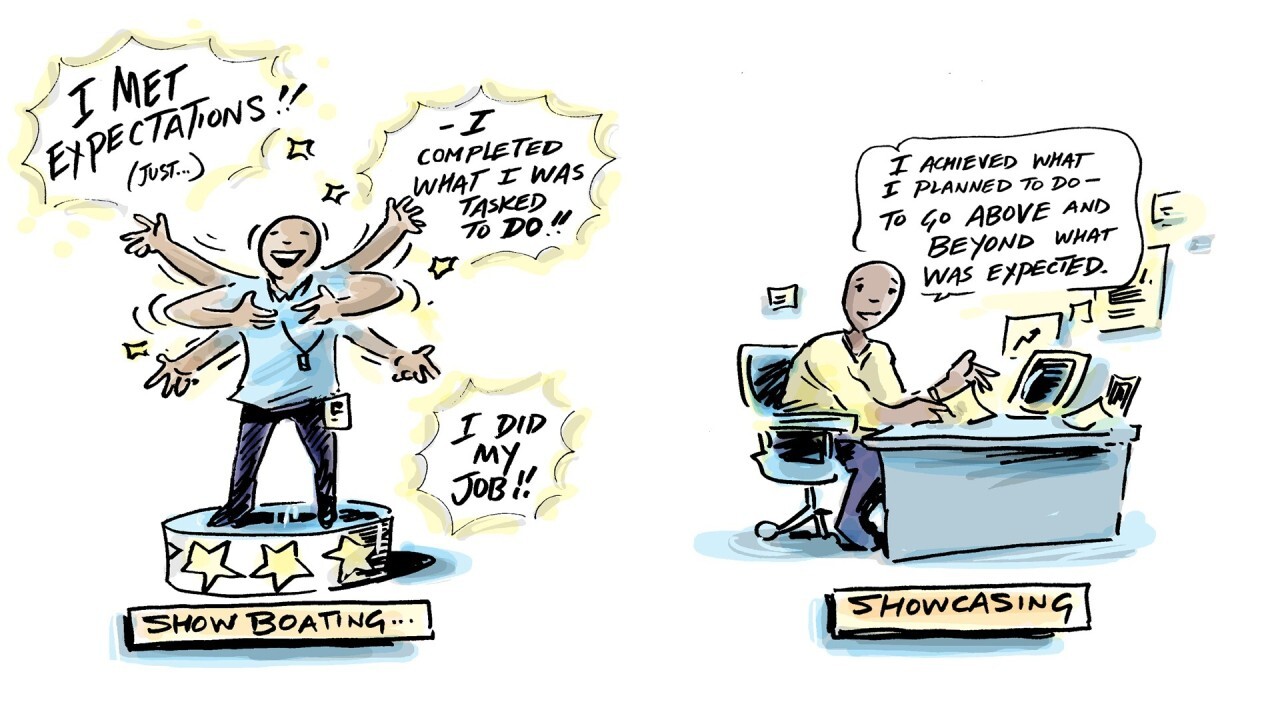
How can I show the value I bring (to secure or retain a role or advance)?
  • What is the highest yield information and proof I can give?
  • How can I confidently and respectfully initiate the conversation?
  • What are the highest yielding questions I can ask?
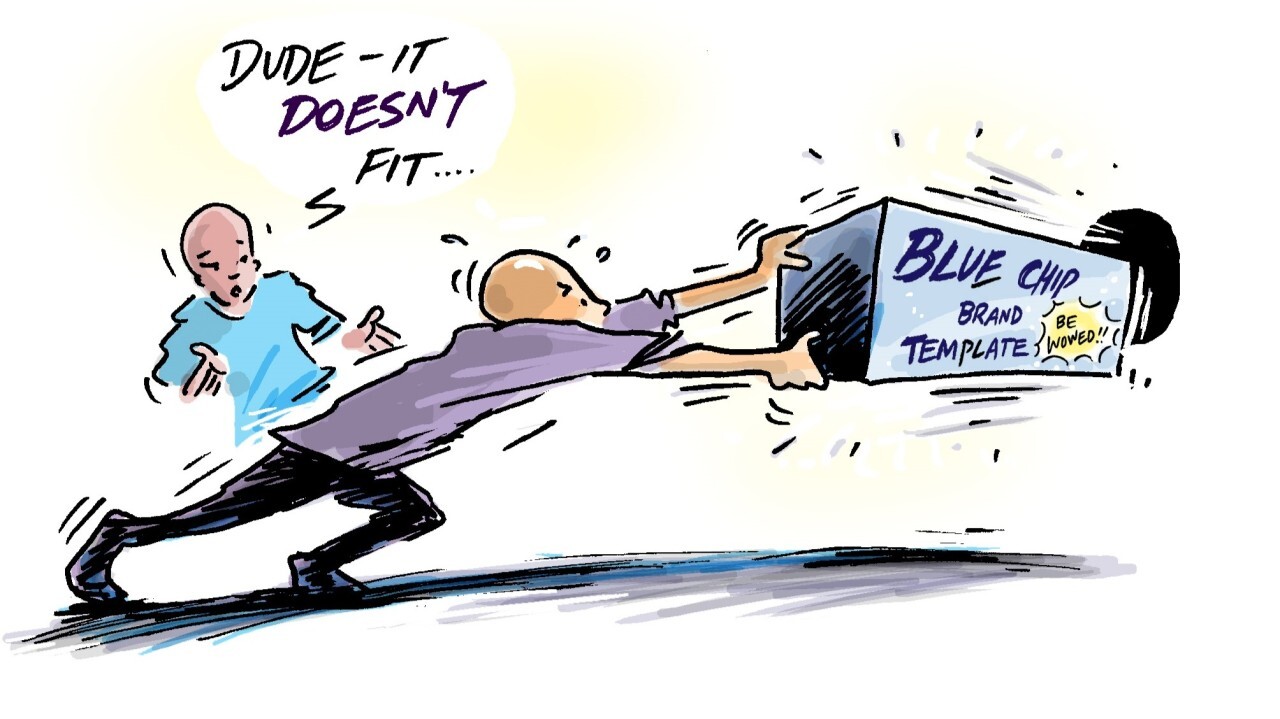
How can be discerning about templates or similar guiding structures?
  • How can I discern the utility and limits of templates or structures in every unique situation?
  • How do I develop the judgment to use templates or structures as guidance rather than a constraint (‘a handrail not a handcuff’)?
  • How can I encourage thoughtful judgment in applying templates or structures, and discourage following them thoughtlessly?
How can I avoid the dangers of dashboards when creating or interpreting them?
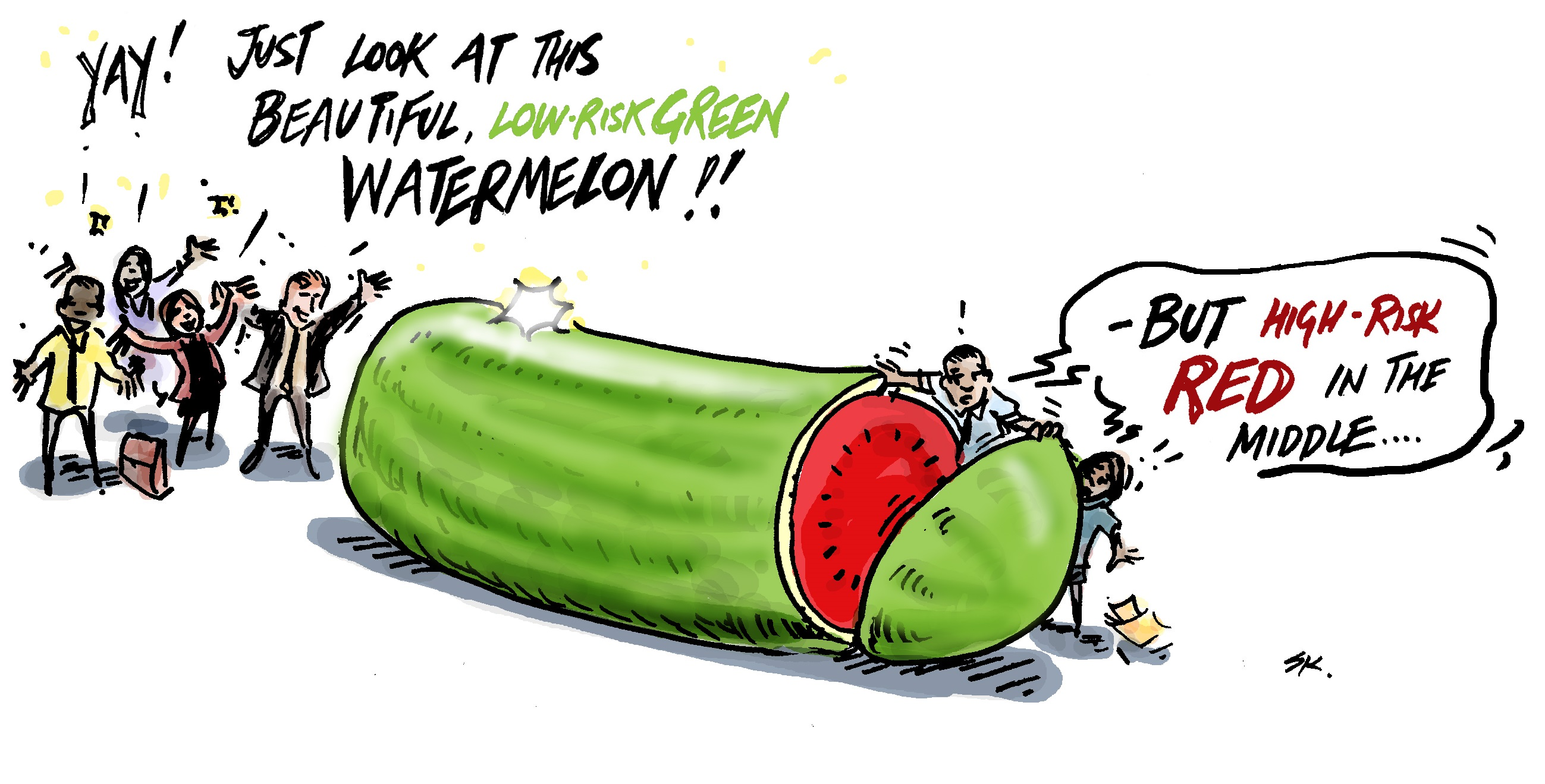
  • How can dashboards, including those with commentary about their contents, be dangerously misleading?
  • When and how are dashboards useful?
  • What makes dashboards appear amateurish?
  • How can I avoid being distracted by colour, superficial metrics, or design quirks?
  • How can I interpret dashboards critically and effectively, including the underlying assumptions?

All career stages in corporate, government & not-for-profit

How can I produce/receive meaningful updates, including periodic reports?
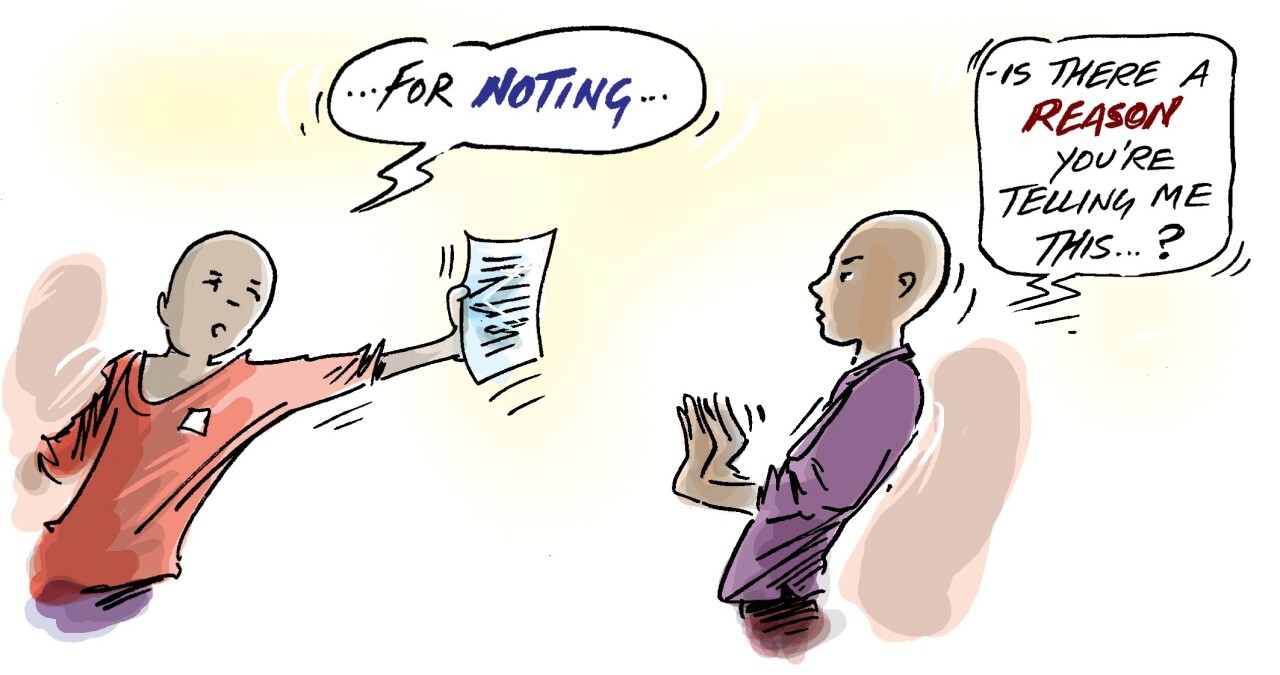
  • What do audiences need to DO with an update report (a popular delusion is that all they have to do is read it, which is often called ‘noting’ or ‘discussing’)?
  • What does an ideal update contain and look like?
  • Why are the real dangers of relying on dashboards, even with commentary about the dashboard’s contents, as updates?
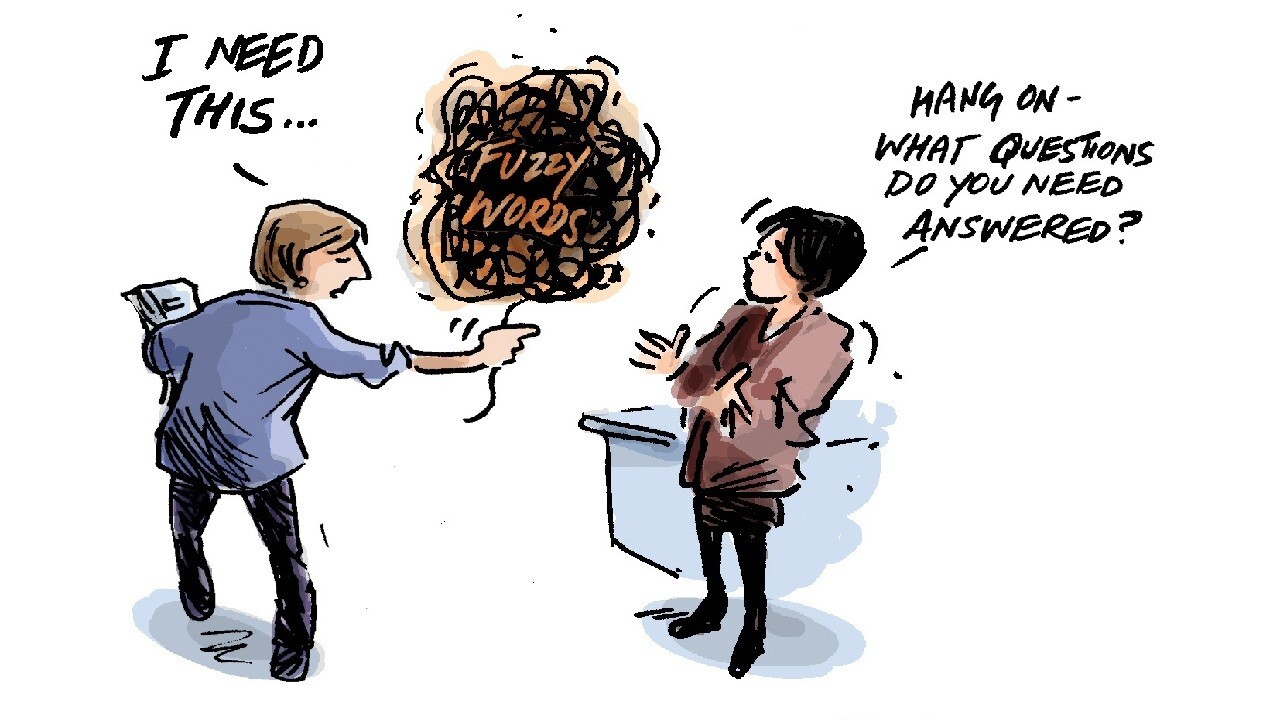
  • What do ‘data rich, information poor’, ‘insights’ and other unclear jargon mean practically?
  • What information in update reports is so vague as to be meaningless or misleading?
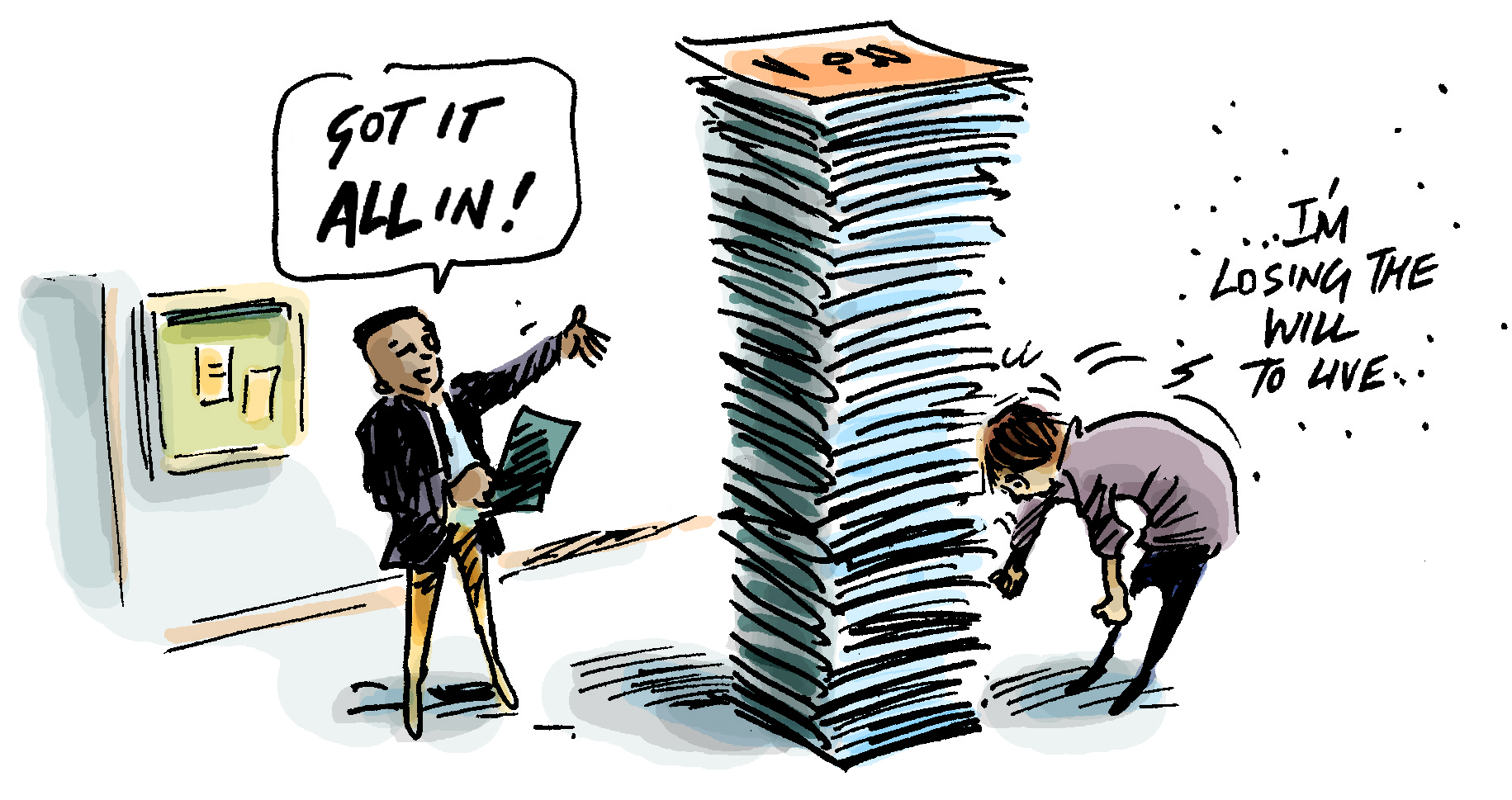
  • How can essential detail be woven into an update, rather than delivered as a ‘data dump’ the audience must sift through?
  • How can I practically discern what is strategic or operational?
  • How can the process for collaboratively producing an update be streamlined to greatly improve efficiency and quality?
  • How can I avoid unclear jargon and respectfully request information in updates that I need and believe is relevant?
  • How can I clearly articulate what someone in my role needs and doesn’t need in updates?
How can I produce/receive compelling business cases?
  • What is a ‘business case’ and does it include a proposed strategy?
  • What does an ideal business case contain and look like?
  • In what order do decision-makers need information, including information about risk, to process it effectively and efficiently (a popular delusion is that stories work)?
  • What information in business cases is so vague as to be meaningless or misleading?
  • How can essential detail be woven into a business case, rather than delivered as a ‘data dump’ the audience must sift through?
  • How can the process for collaboratively producing a business case be streamlined to greatly improve efficiency and quality?
  • How can I avoid unclear jargon and respectfully request information in business cases that I, as a decision-maker, need and believe is relevant?
  • How can I clearly articulate what someone in my role as a decision-maker needs and doesn’t need in business cases?
How do I deliver to a senior leader an excellent briefing, or ensure I receive one?
  • What are the hallmarks of an excellent briefing?
  • How can I decide what, and how much, to include and exclude?
  • How can the process for collaboratively delivering a briefing be streamlined to greatly improve efficiency and quality?
  • How can I avoid unclear jargon and respectfully request information in briefings that I, as a senior leader, need and believe is relevant?
  • How can I clearly articulate what someone in my role as a senior leader needs and doesn’t need in briefings?

Career stage 1-5 in all sectors and industries

How can I build professionalism in behaviour, communication, and delivery?
  • How can I best uncover workplace norms and expectations, especially the unspoken or undocumented ones?
  • How do I respectfully clarify and establish boundaries so I can operate consistently well under pressure?
  • How can I operate as efficiently as possible?
  • What must I model consistently as an aspiring or emerging leader?
  • How do I have difficult conversations?
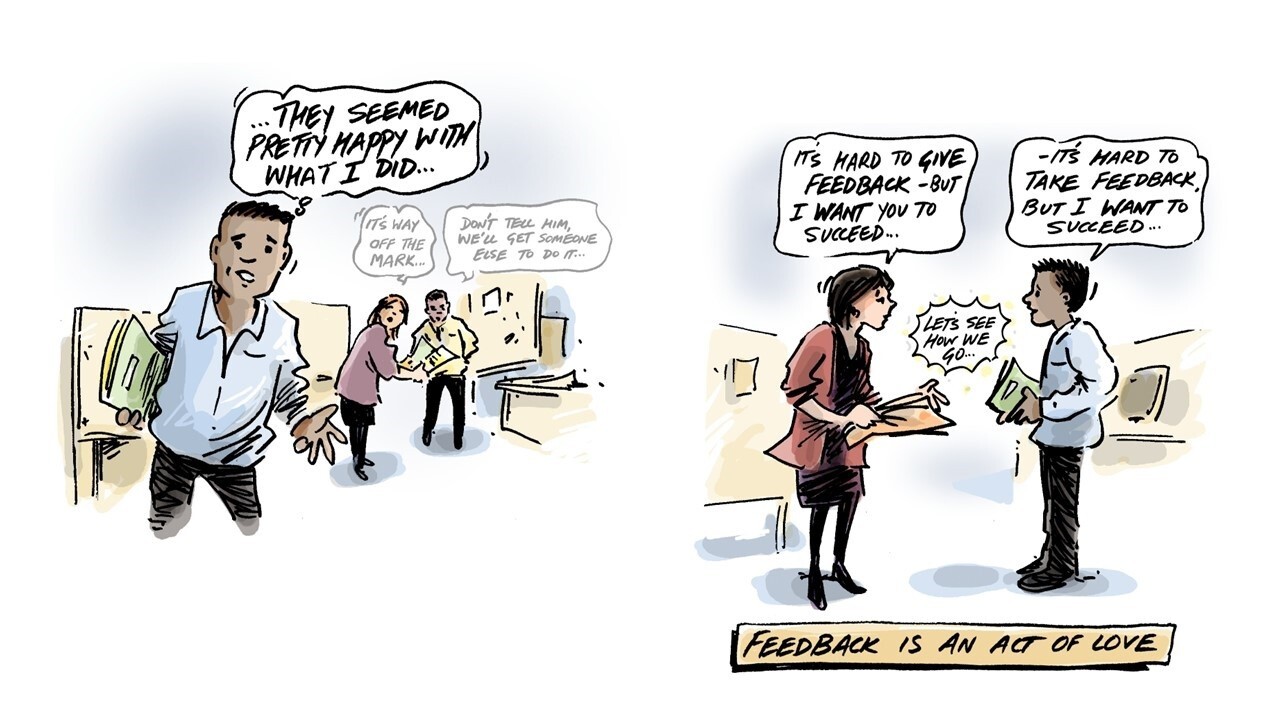
  • How can I access the feedback I need so I can succeed?
  • How can I build my trustworthiness, a cornerstone of my reputation and ability to build relationships and influence?
How can I develop commercial acumen?
  • How is commercial acumen practically applied?
  • What forces external to the organisation must I consider when I applying commercial acumen practically?
  • How can I develop commercial acumen, especially if I’ve never run an organisation or I work in a large organisation?
  • How can I identify, clarify and balance trade-offs?
How can the process for collaboratively creating communications be streamlined?
  • What is an effective and efficient process for collaborating to create communications, including better forward-agendas?
  • How can I set ground rules for collaborating and allocate responsibilities clearly?
  • What is involved in scoping effectively to save time, reduce rework, and avoid frustration?
  • How can I respectfully and persuasively invite scoping conversations?

Career stage 1-5 (advisors, investigators + case managers)

How can advisors, including lawyers, create market-leading advisory communications?
  • What are the hallmarks of a market-leading advisory communications?
  • What is the process for ensuring clients receive what precisely meets their needs and preferences on each unique engagement?
  • What is the process for producing advisory communications as efficiently as possible?
  • How can I respectfully initiate conversations to clarify a client’s needs and preferences without losing face?
  • How can I ensure I estimate fees accurately, avoiding unnecessary disputes or write-offs?
  • How can I effectively manage risk when giving clients advice (a popular delusion is that giving clients detailed technical information manages risk)?
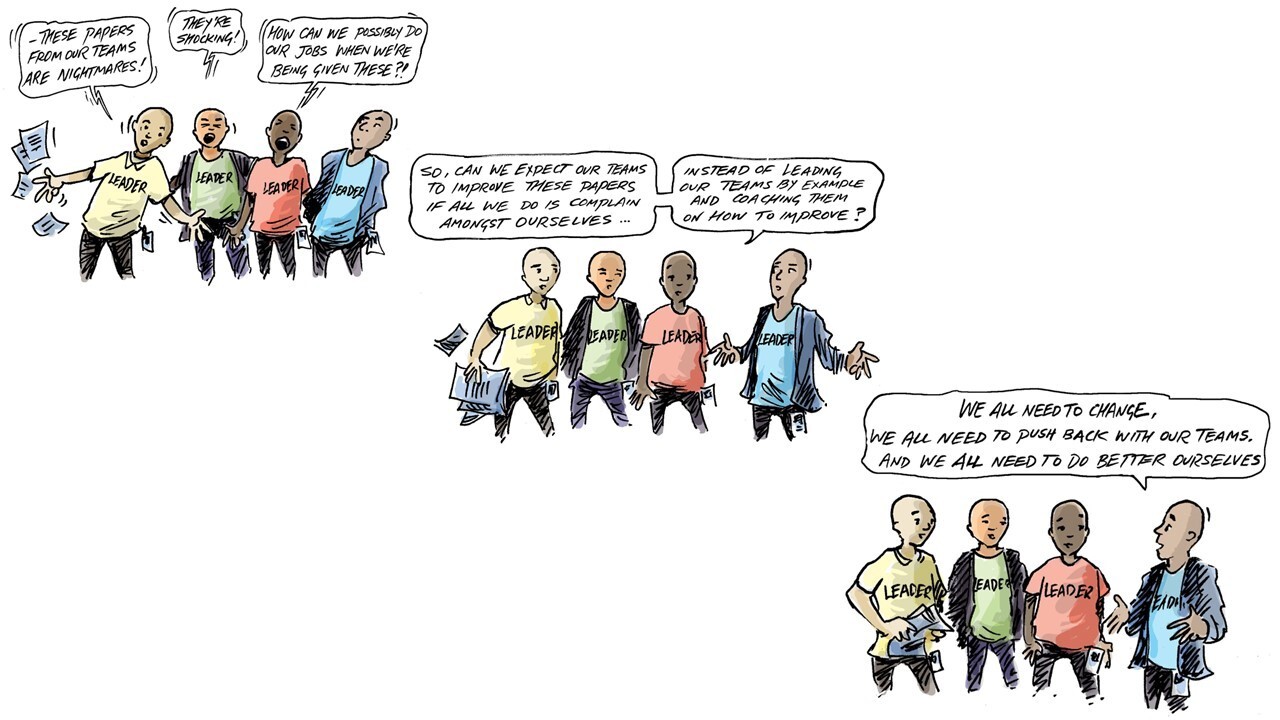
  • How can I ensure those whom I supervise give me for approval market-leading advisory communications for clients that need minimal, if any, rework?
How can I create the most persuasive communications for investigations, mediations or courts?
  • What are the hallmarks of the most persuasive communications in mediations or courtrooms (e.g. mediation position papers, submissions, expert reports, investigation reports and social services case notes)?
  • How can I create communications as efficiently as possible?
  • How can I discern what will enhance or undermine trustworthiness in the communications?
  • How can I discern what to include and exclude?
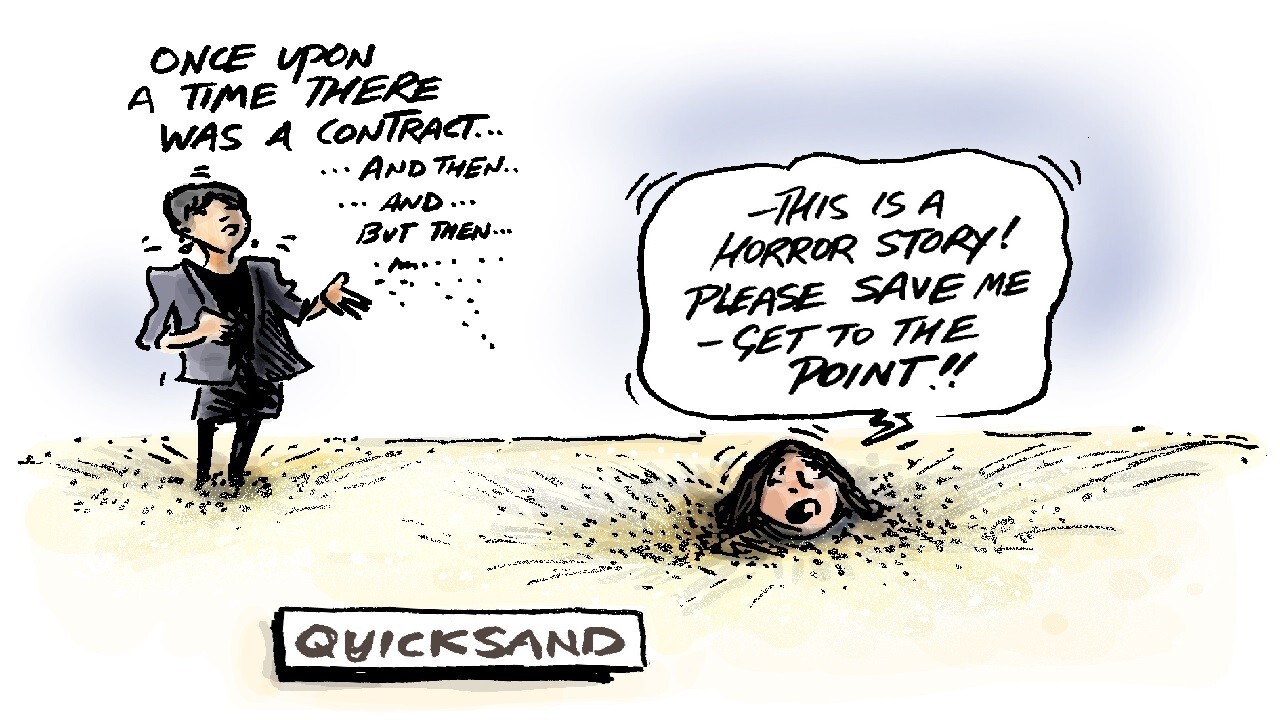
How can I take instructions for bespoke contract clauses effectively and efficiently?
  • How can I avoid multiple conversations to fill gaps in the instructions I receive? How do I discern gaps in the instructions I have received so I can ask intelligent questions in one conversation with my client?
  • What are the three core elements of all contracts that I should use as a guide when taking instructions?
  • How can I best structure bespoke contract clauses for clarity so they are less likely to be disputed?

Career stage 1 in any sector or industry

How do I stand out positively in the labour market?
  • What is the recruitment process really all about?
  • Is trying to be what I think they want futile or helpful?
  • What kinds of questions should I expect and how best can I answer them?
  • What are valuable research sources and questions to ask?
  • How can I best prove the value I will bring to the role when I have no or limited direct experience?
How can I enhance my professionalism, including in difficult situations?
  • Which of my observable behaviours contribute to or detract from others’ perceptions of my professionalism?
  • How does my communication style affect perceptions of my professionalism?
  • How can I maintain professionalism when others I encounter at work, including managers or clients, do not?
  • How do I balance professionalism with authenticity?
  • What professional standards should guide my behaviour when expectations are unclear?
  • How can I recover professionally after a misstep or conflict?