Services

GumLeafGreen’s offerings

The value I add lies in helping clients alleviate the pain of recurring work-related problems by helping them build the irreplaceably human skills AI cannot replace. The problems manifest differently across six distinct career stages:

  1. Job‑Ready Starter, including people changing careers
  2. Early Career Builder
  3. Emerging Manager / Supervisor
  4. Established Manager / Supervisor
  5. Enterprise Executive / Principal
  6. Governing Executive & Director

My clients’ commonquestions signal their problems and the pain they cause. Some:

  • are career-stage specific
  • span all career stages with differing nuance
  • are sector-specific or industry-specific


Many of the questions, including those in the drop-down links, will likely feel uncomfortably familiar.

All career stages in all sectors and industries

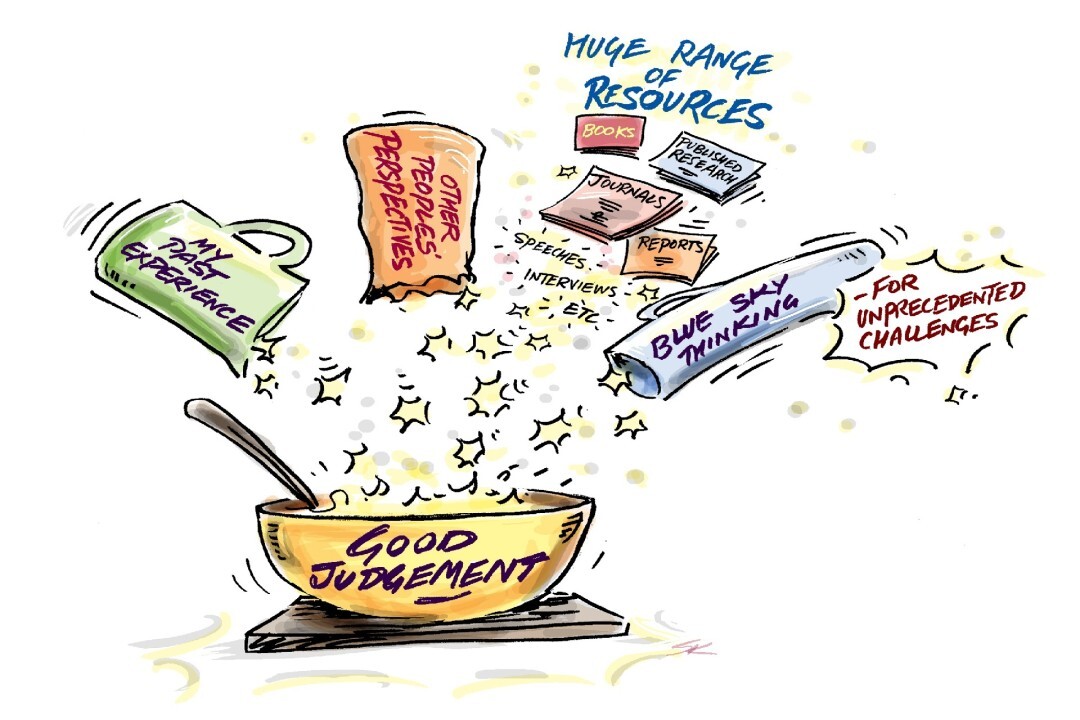
In the age of AI, how do I develop the judgment to identify substantive, well-founded output versus trend-driven or weakly supported?
  • How can I develop sound judgment about what will likely work best by applying disciplined scepticism and rigorous testing?
  • How do I avoid being seduced by convenient simplifications that promise effectiveness without sufficient substance?
How do I know what, and how much, others need from me in each unique situation? How can I ensure others give me only what, and as much as, I need?
  • How can I discern what audiences perceive as necessary and relevant?
  • What processes can I follow to discern only what is necessary and relevant to audiences in each unique situation?
  • How can I respectfully initiate conversations to clarify what is necessary and relevant without losing face?
  • How can I respectfully ensure I receive from others what I need and believe is relevant, and avoid receiving the opposite?
  • How can I clearly articulate what someone in my role needs and doesn’t need from them?
How can I manage expectations and boundaries respectfully and assertively?
  • How can I build trust while managing expectations, pushing back, negotiating scope and timeframes, or asking for work to be redone?
  • How can I overcome my concerns about disappointing or upsetting others?
  • What are the implications for my trustworthiness, efficiency and success if I don’t manage expectations and boundaries?
How can have difficult conversations that maintain orenhance good relationships?
  • How can I more have uncomfortable conversations with greater confidence and without causing friction or harm?
  • What are the implications for trustworthiness, efficiency and success if I don’t have difficult conversations?
  • How can difficult conversations enable me to discern whom to trust?
How can I use storytelling or narratives discerningly at work?
  • When do stories or narratives help and when they hinder (a popular delusion is that they are the same thing and that always or usually help in workplace communications)?
  • How do I craft a story or narrative to help achieve my desired outcome and enhance trustworthiness?
How can I strategically build my network without feeling awkward or pushy?
  • Why should I invest energy and time in building a network?
  • How do networking and selling differ?
  • What strategic mindset will enable me to build a valuable network without feeling pushy or awkward (or worse!)?
  • How can I initiate networking conversations in every context, including online?
  • How can I discern the ideal mentors for me and initiate conversations with them?
  • How can I discern trustworthiness in others?
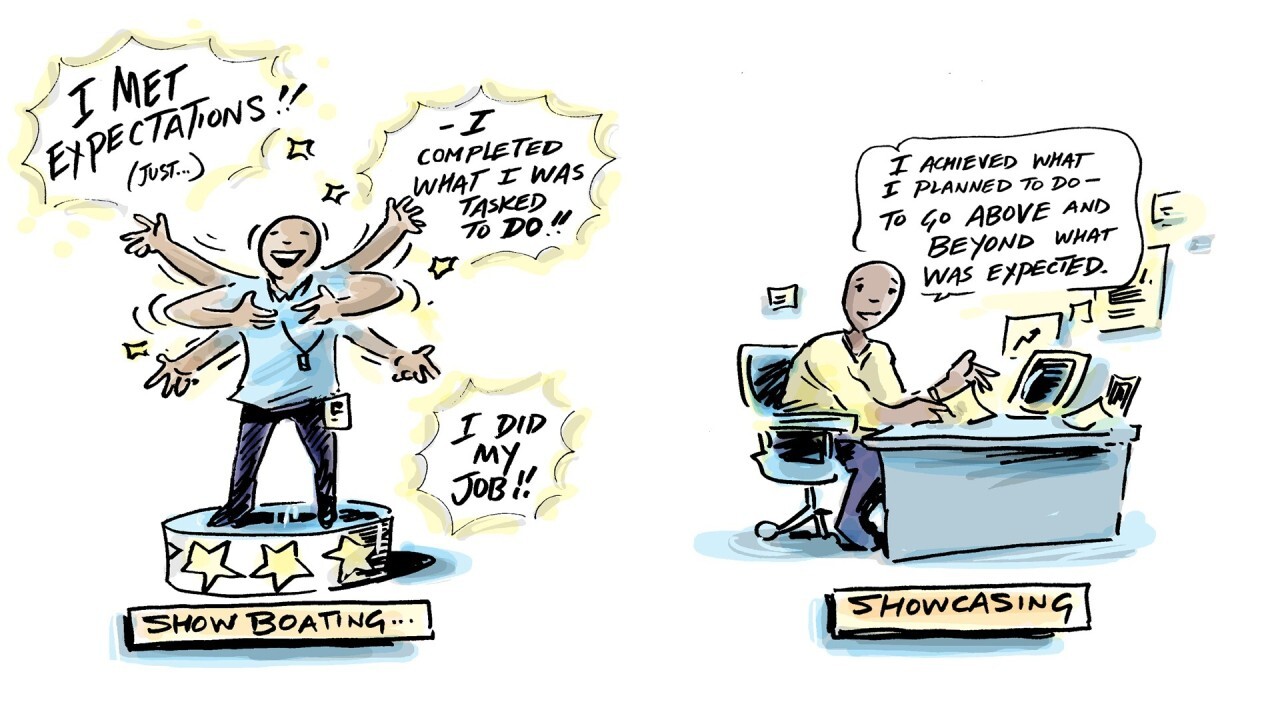
How can I show the value I bring (to secure or retain a role or advance)?
  • What is the highest yield information and proof I can give?
  • How can I confidently and respectfully initiate the conversation?
  • What are the highest yielding questions I can ask?
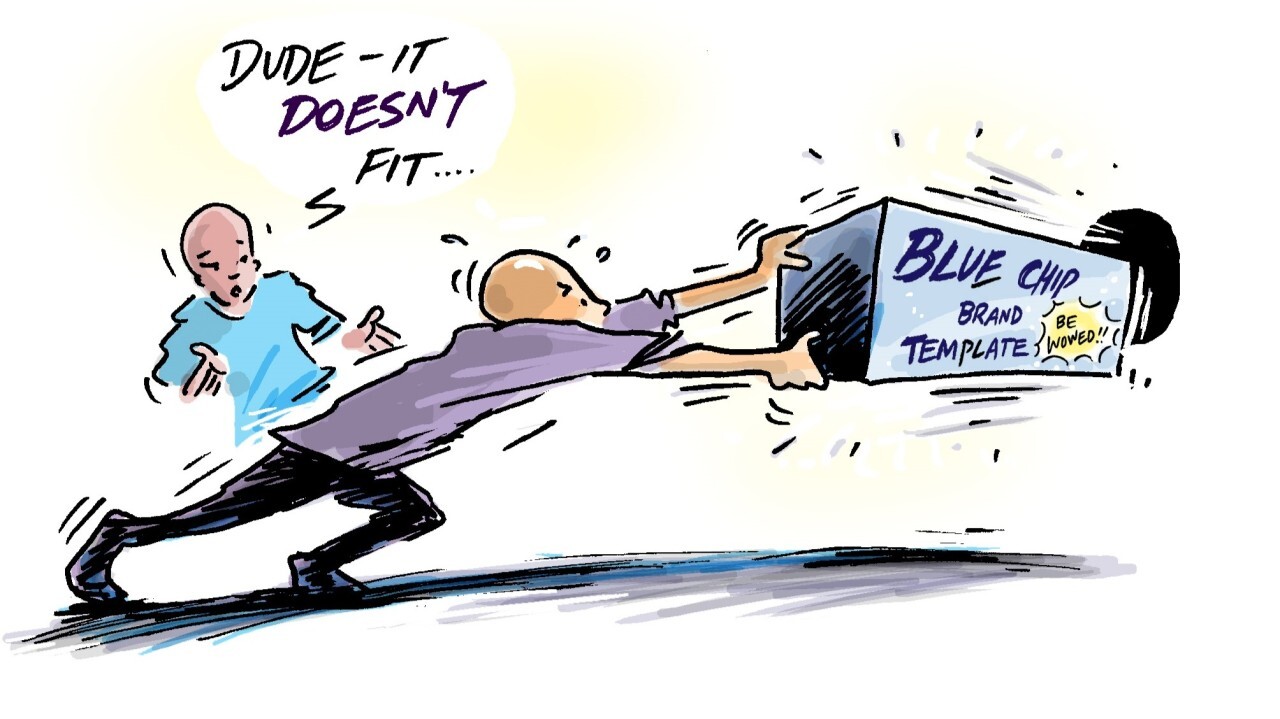
How can be discerning about templates or similar guiding structures?
  • How can I discern the utility and limits of templates or structures in every unique situation?
  • How do I develop the judgment to use templates or structures as guidance rather than a constraint (‘a handrail not a handcuff’)?
  • How can I encourage thoughtful judgment in applying templates or structures, and discourage following them thoughtlessly?
How can I avoid the dangers of dashboards when creating or interpreting them?
  • How can dashboards, including those with commentary about their contents, be dangerously misleading?
  • When and how are dashboards useful?
  • What makes dashboards appear amateurish?
  • How can I avoid being distracted by colour, superficial metrics, or design quirks?
  • How can I interpret dashboards critically and effectively, including the underlying assumptions?

All career stages in corporate, government & not-for-profit

How can I produce/receive meaningful updates, including periodic reports?
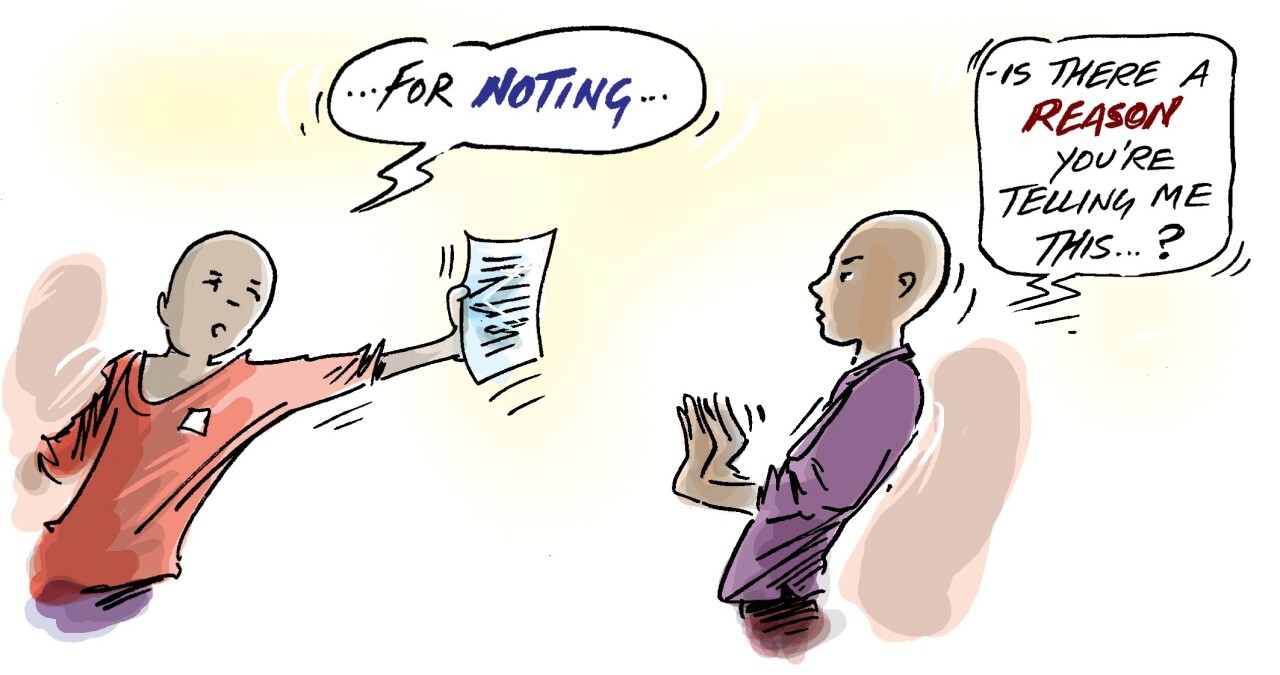
  • What do audiences need to DO with an update report (a popular delusion is that all they have to do is read it, which is often called ‘noting’ or ‘discussing’)?
  • What does an ideal update contain and look like?
  • Why are the real dangers of relying on dashboards, even with commentary about the dashboard’s contents, as updates?
  • What do ‘data rich, information poor’, ‘insights’ and other unclear jargon mean practically?
  • What information in update reports is so vague as to be meaningless or misleading?
  • How can essential detail be woven into an update, rather than delivered as a ‘data dump’ the audience must sift through?
  • How can I practically discern what is strategic or operational?
  • How can the process for collaboratively producing an update be streamlined to greatly improve efficiency and quality?
  • How can I avoid unclear jargon and respectfully request information in updates that I need and believe is relevant?
  • How can I clearly articulate what someone in my role needs and doesn’t need in updates?
How can I produce/receive compelling business cases?
  • What is a ‘business case’ and does it include a proposed strategy?
  • What does an ideal business case contain and look like?
  • In what order do decision-makers need information, including information about risk, to process it effectively and efficiently (a popular delusion is that stories work)?
  • What information in business cases is so vague as to be meaningless or misleading?
  • How can essential detail be woven into abusiness case, rather than delivered as a ‘data dump’ the audience must sift through?
  • How can the process for collaboratively producing a business case be streamlined to greatly improve efficiency and quality?
  • How can I avoid unclear jargon and respectfully request information in business cases that I, as a decision-maker, need and believe is relevant?
  • How can I clearly articulate what someone in my role as a decision-maker needs and doesn’t need in business cases?
Reporting crimes and how to avoid committing them

For report writers and editors who want to avoid the most common reporting crimes, and instead:

  • impress their readers (managers and stakeholders) by writing reports that:
    • contain no more and no less than their readers need to do their jobs effectively. Wise report writers appreciate how their jobs and the jobs of their readers differ, and ensure their reports are fit for their readers.
    • are rich in information and insights. Too often, reports are mere ‘data dumps’.
    • focus on ‘exceptions’. Exception reporting is highly desired by readers, but many writers do not understand what this requires.
    • prove to their readers that they are competent. Too many writers fall into the seductive delusion that competence is proven in a post-mortem of activities. True competence is proven by giving readers what they need to get on with their jobs.
  • spend less time writing reports and more time doing core work.
Influencing writers to produce meaningful reports

For board members and executives who:

  • are concerned by the poor quality of reporting documents they are receiving
  • appreciate that they have a legal responsibility to ensure they receive high quality and timely information in reports
  • acknowledge that they play a crucial role in:
    • guiding report writers to change their mindsets about the purpose of reporting so they receive more future-, action- and solution-focused information in reports
    • educating report writers about the differences between their roles and the writer’s roles, and the purpose of management and governance
    • encouraging report writers to scope their reports before writing, to ensure an efficient and painless writing process.

Legal writing

Writing market-leading leagal advices

A program aimed at legal professionals and focuses specifically on advices because:

  • they are often the documents lawyers find hardest to structure.
  • advice work is generally very time consuming. So, lawyers want to streamline their processes for drafting advices to create them more efficiently.
  • clients are increasingly demanding that advices be easy to read and able to be shared with various stakeholders without having to rewrite them.
  • innovative approaches to advice writing are being taken by some lawyers which better meet clients’ demands. This gives them a competitive advantage.

This program can be adapted for other advisory professionals, as they face similar challenges.

Drafting first-rate clauses in contracts

Tips for professionals whose jobs involve drafting or negotiating contracts and who want to confidently and efficiently:

  • draft effective and clear clauses in contracts from scratch
  • take instructions about contract clauses in a way that creates more scope to see gaps in the instructions and ask questions to fill them
  • avoid common drafting pitfalls.\

Leading, managing and influencing others

Consiously influencing others

For those who acknowledge that success in business involves mastery of the skills needed to:

  • be persuasive
  • engender trust
  • overcome objections
  • motivate
  • be assertive
  • create positive and professional impressions
  • question and listen effectively
  • give compelling presentations.

Modules on each of these skills are also available.

Giving and receiving instructions

For those who want to delegate a task, or receive instructions to complete a task, in one conversation and maximise the chances of the task being completed as intended.

Giving feedback

For everyone wanting to increase the chances of:

  • delivering feedback, especially difficult feedback, once (avoiding numerous and fruitless discussions about the same issues)
  • the receiver being committed and confident about implementing solutions to address issues
  • the receiver implementing agreed solutions to issues.
Mastering business narratives

For leaders and change agents who:

  • want to harness the power of narratives in business
  • appreciate there is no single right way to tell a story
  • want to make informed choices about the right narrative pattern to achieve their desired objectives.

Personal effectiveness and resilience

Resilience at works

For those who need to change unhelpful mindset and habits to develop resilience:

  • during times of disruptive change
  • during and after difficult conversations
  • at stressful times, including when workloads are heavy.

The four core modules are:

  1. Questioning as the platform for resilience
  2. Overriding instinct to develop the core resilience skill of assertiveness
  3. Developing a recipe for coping during, and thriving after, adversity
  4. Overriding unhelpful yet instinctive ‘stress’ responses.
Managing attention to detail

For those who acknowledge they are accountable for managing, and want proven strategies to manage, the pressures that challenge their ability to stay focused. Pressures include:

  • time constraints
  • uncertainty about what is expected
  • innate preferences for detailed or ‘big picture’ information
  • stress, fatigue and lack of motivation.

Networking

The fundamentals of networking success

For individuals:

  • seeking clarity about what networking is and isn’t, and how vital it is to professional and personal success
  • wanting to learn the practicalities of how to network
  • exploring how to get more from networking efforts.
Networking strategically

For more experienced networkers who want to:

  • strategically plan their networking efforts
  • ensure their networking strategies are linked to their personal and business goals
  • profile clients and prospective clients
  • encourage colleagues to maximise the success of their networking initiatives.

Presenting

Compelling presentations

For everyone who is:

  • daunted by presenting
  • unsure of how to effectively use visual aids, including PowerPoint
  • looking for ways to make their presentations significantly more engaging to different audiences.

Content is tailored specifically for the range of presentations particular participants give, including presentations:

  • to one other individual
  • to small groups
  • to an auditorium full of people
  • that will be broadcast or filmed.
Business narratives for engaging presentations

For presenters who want to strike the right balance between:

  • harnessing the power of storytelling
  • getting to the point.

Client and customer service

Scoping - the first critical step in project management

For professionals who:

  • acknowledge that understanding clients’ needs and expectations requires them to go much deeper than mere industry knowledge
  • want to significantly increase team productivity
  • want to accurately estimate fees and avoid fee disputes
  • want to deliver work that meets or exceeds clients’ expectations.

This program can be modified to suit junior professionals who need to scope their supervisors’ needs and expectations when their supervisors delegate a task to them.